The Art of Antique Wallpaper
Wallpaper is à la Mode!
Yes, today there is a definite interest and affinity for wallpaper in interior design. However, there is an important distinction to make between vintage wallpapers and those produced today.
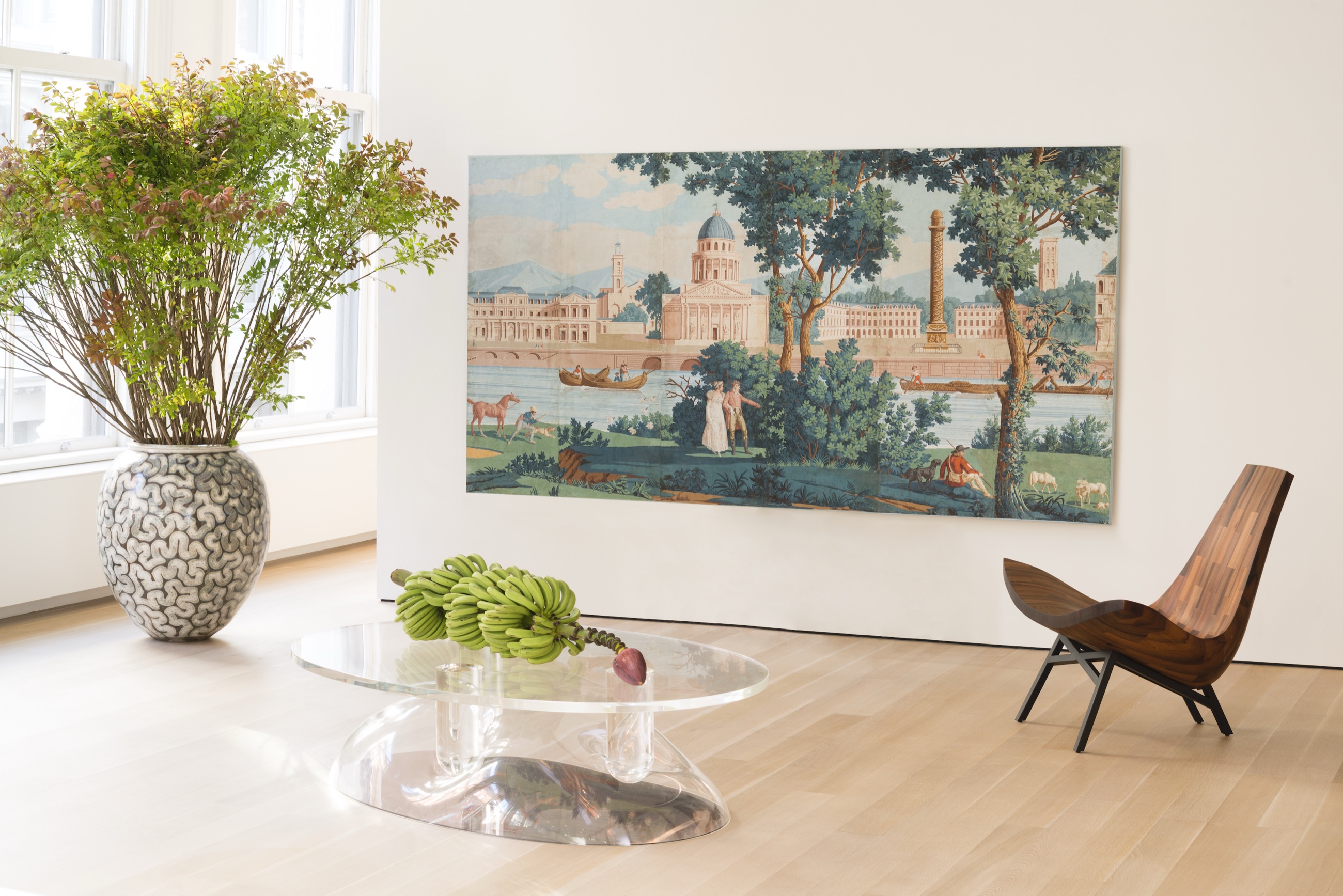
The vintage papers are truly a mural art form in their own right — offering a finesse in the engraved motifs, a richness of colors and density of the paper.
These decors required a considerable amount of time to execute: sometimes a year’s worth of work and 2-3,000 wood-blocks — that is why they were produced in limited editions.
On the other hand, those made today digitally, in unlimited quantities, appear dry, flat and cold — these are treated more like wallcovering.
Some Historic Background Concerning These Vintage Papers Called “Papiers Peints”
The French name “Papier Peint” is an erroneous term — the French and Europeans only wood-block printed their mural decors. The Chinese, however, hand-painted their papers and, as these were very fashionable in Europe in the 18th century, the French adopted the term “Papier Peint”.
The important production period for these wallpapers was from the second half of the 18th century through the Art Deco period. Very quickly, the French excelled in this domain and exported their decors throughout the world.
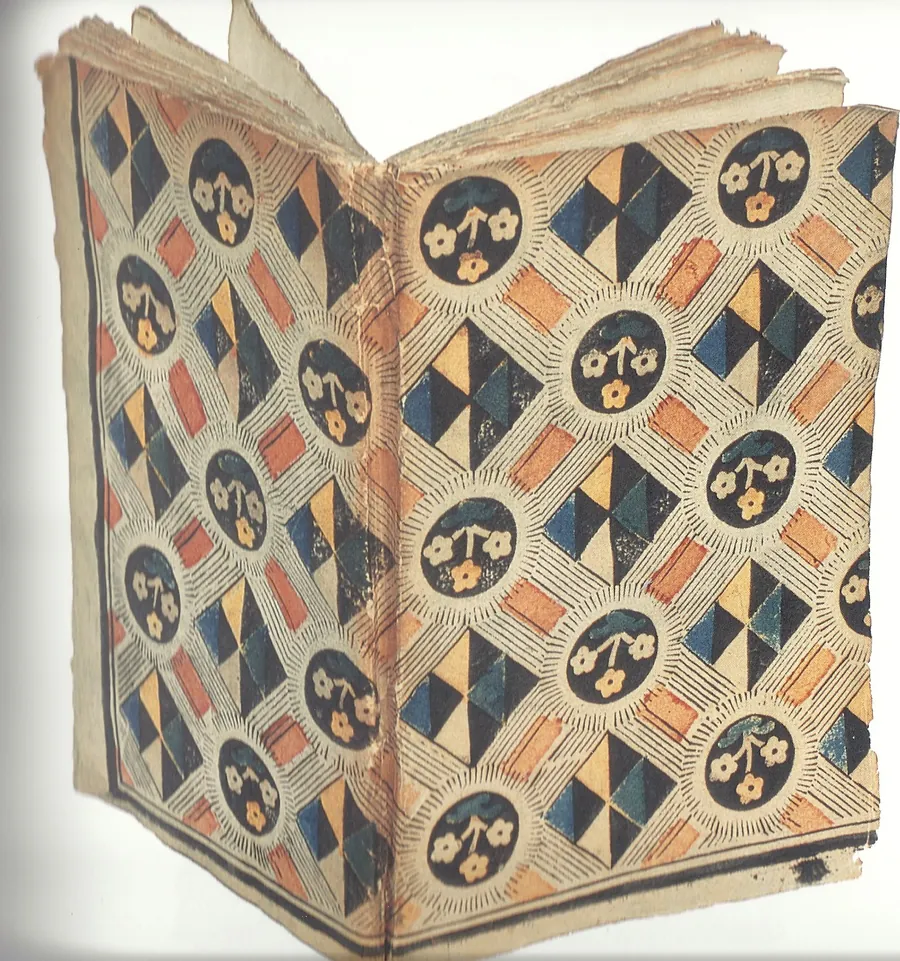
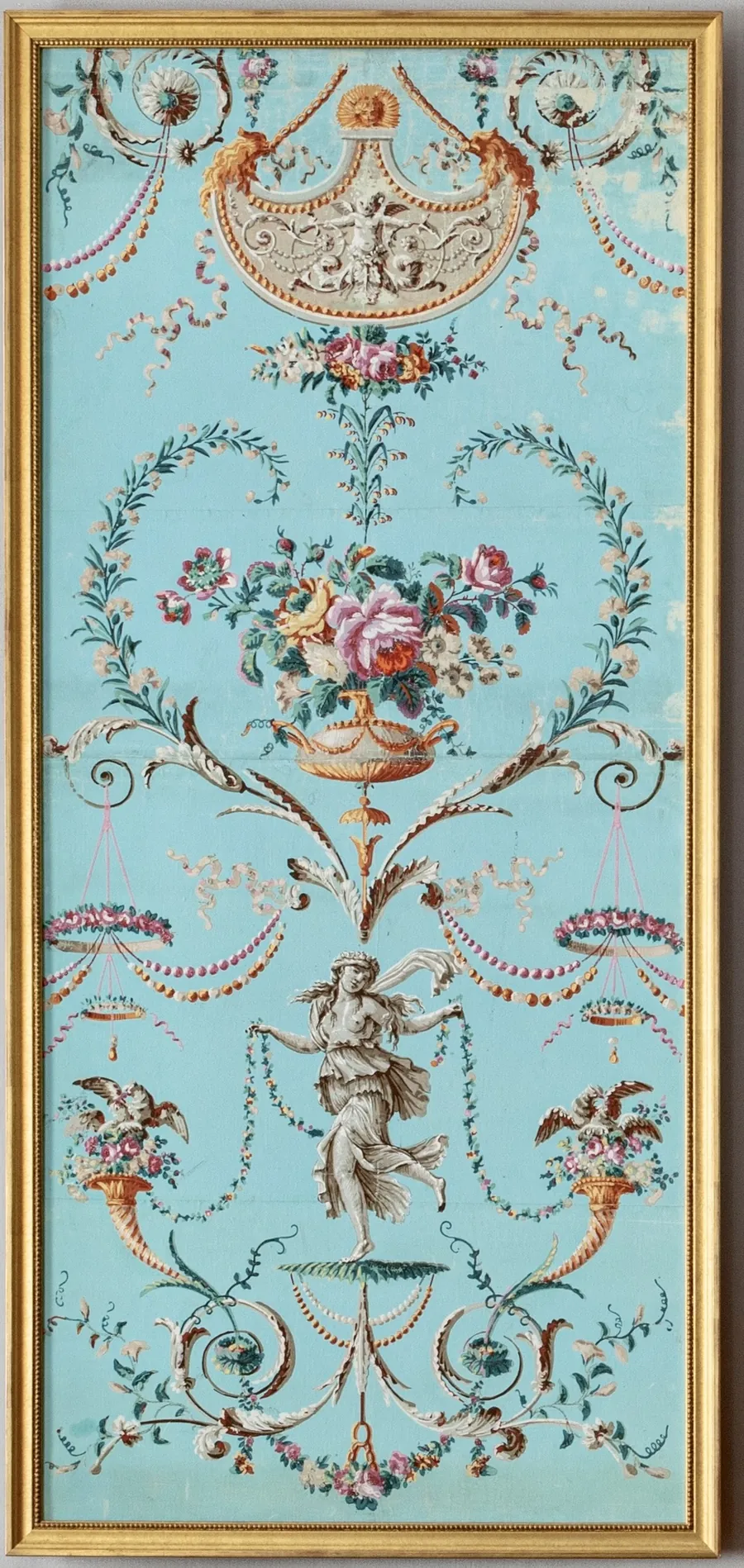
Originally, the Europeans produced papers with small motifs in limited colors called “Dominos” — these served to cover fine books and boxes, fire-screens… As these became more decorative, they started finding their way onto the walls of bourgeois homes.
It is as of the mid-18th century that wallpaper became a mural art form in its own right with the contribution of Jean-Baptiste Réveillon (1725-1811) — who is known to have given it “ses lettres de noblesse” — its nobility.
Réveillon founded his manufacture in Paris in 1753 and consigned artists of the times to create more elaborate and colored decors. In 1784, this major enterprise obtained the title of Manufacture Royale.
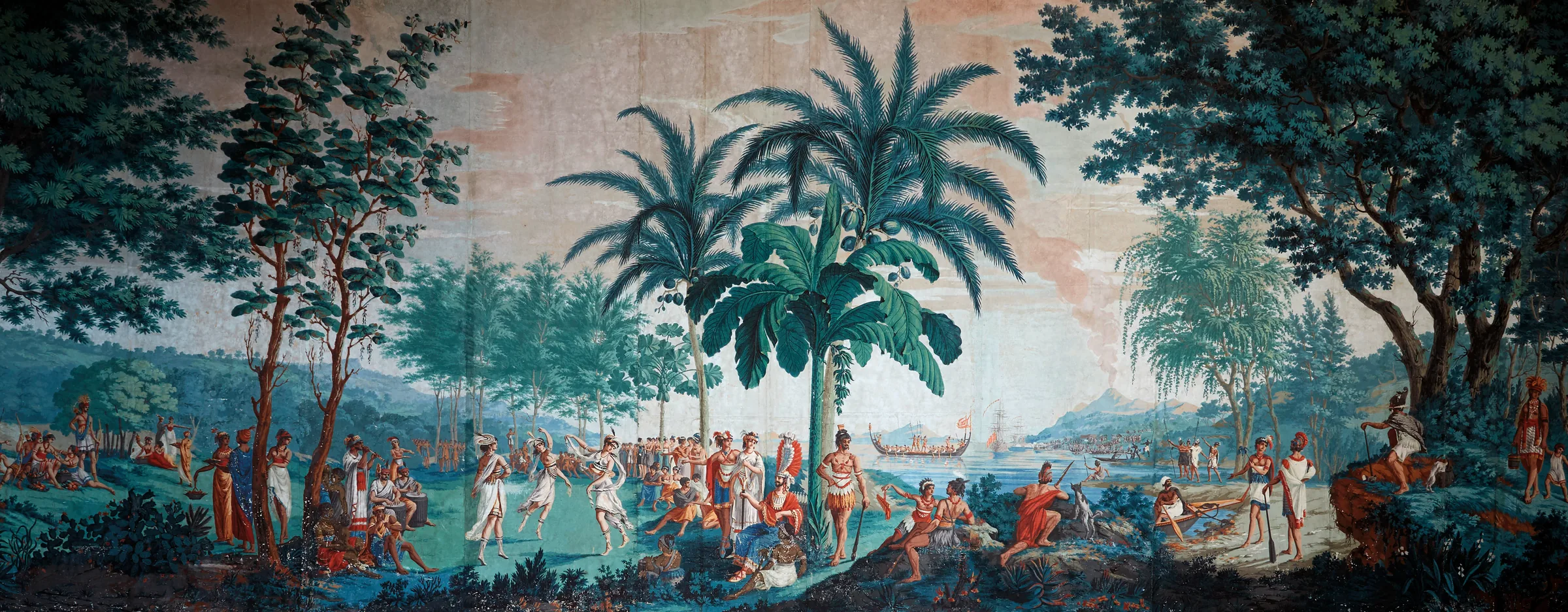
Joseph Dufour (1754-1827) invented the concept of the Panoramique, which enveloped all the walls of a room — the first created was Voyages of Captain Cook, 1804. Such decors introduced new worlds to an interior — faraway lands or exoticism. They also opened up the spaces, giving to an interior the illusion of more light or depth — like an open window onto a distant setting. Wallpapers then became the art of Trompe l’Oeil and an Invitation to Dream beyond…
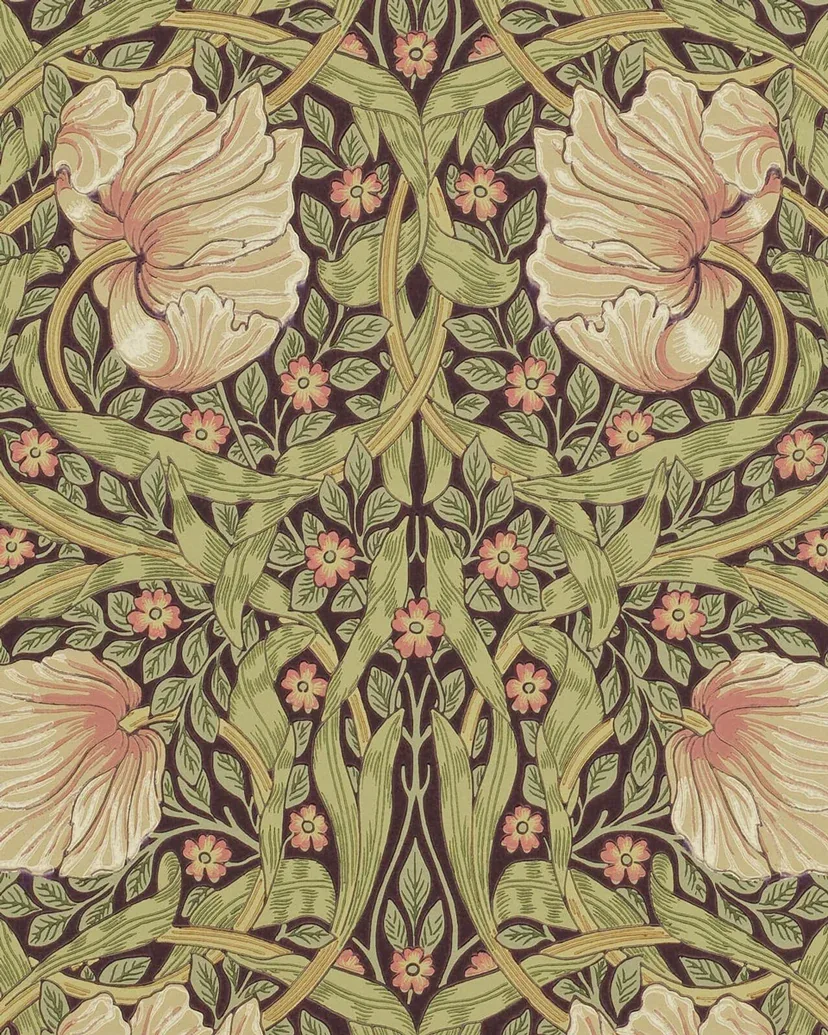
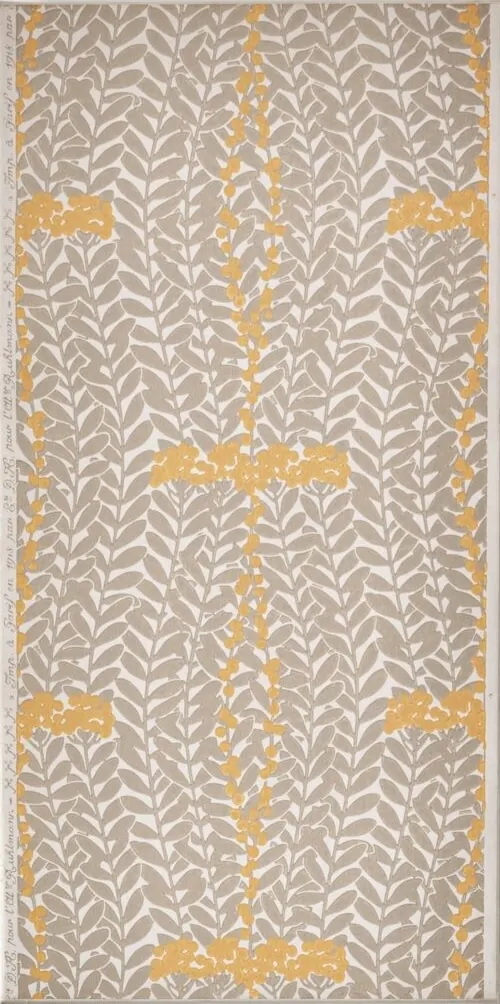
Towards the end of the 19th century, these wallpapers encountered a new revival with the contribution of William Morris and the Arts and Crafts movement.
At the Paris Exposition Universelle of 1900, the Art Nouveau style was introduced with wallpapers done by such artists as Hector Guimard and Maurice Denis.
And then, the Art Deco movement produced the last fine-quality decors, executed by such artists/designers as Émile-Alain Séguy, Paul Poiret, André Groult and Jacques-Émile Ruhlmann.
Today these vintage wallpapers — a full décor or only a beautiful fragment — are to be considered as collectibles. What is to be taken into account is their rarity and their condition — including the patina of time, which adds to their charm and history.
Thus, I invite you to discover vintage Papiers Peints and explore the possibilities of introducing them into contemporary settings. Mixing different art forms establishes an original dialogue between the antique and modern.
Invitation to introduce you to the world of vintage wallpapers – Papiers Peints
Meet Carolle Thibaut-Pomerantz at